Mother's Day Embroidery Design: A Designer’s Perspective
Real-Life Application Scenarios
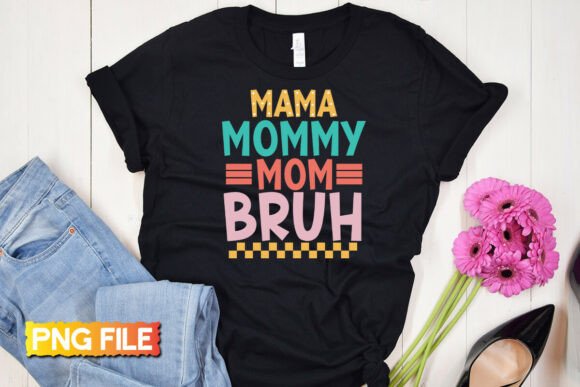
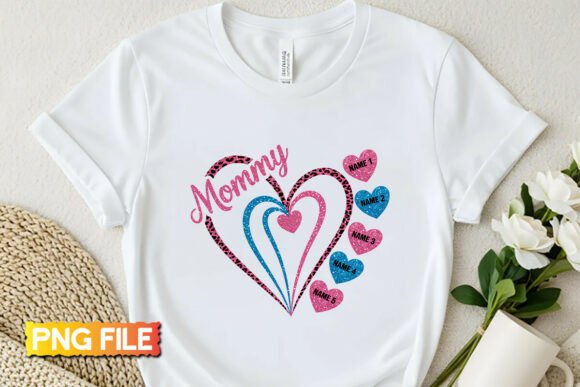
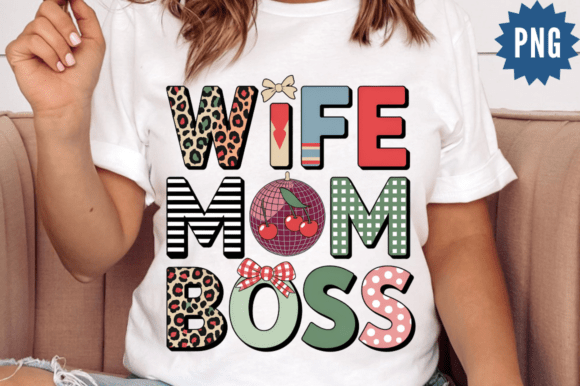
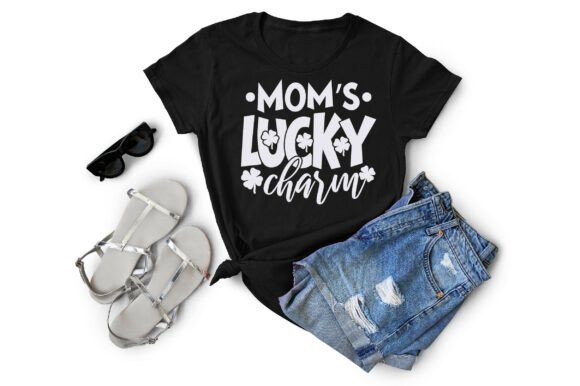
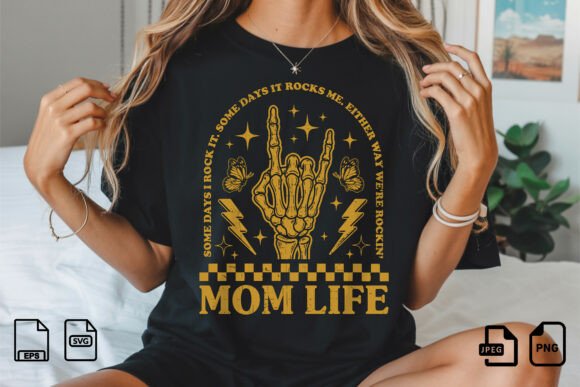
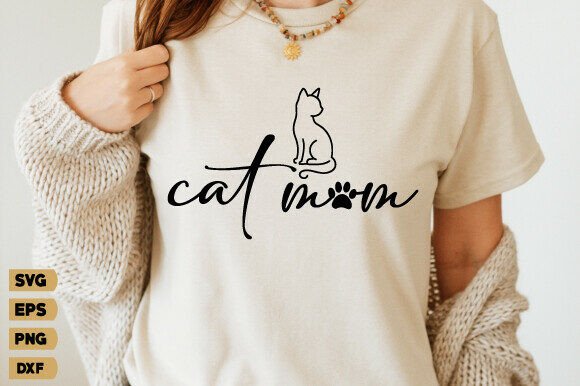
I often test new embroidery files by imagining their use in common real-life scenarios. Let’s take a custom sweatshirt as an example. The Mother s Day Svg, Cat Mom Png, Mama Svg collection would fit beautifully on a cozy cotton hoodie, adding a personal touch for a client or a standout item in your Etsy shop. The satin stitch outlines on the letters give a polished finish, while the fill stitches inside provide just enough texture to make the design pop without becoming stiff or uncomfortable.
Another scenario is a handmade product like an embroidered patch for a baby onesie. Here, the design needs to be delicate yet visible. The smaller versions of these SVGs handle this surprisingly well, but only if tested properly before production. For instance, I’d suggest using a white background with contrasting thread colors on light fabric to ensure visibility and longevity through frequent washing.
If you're a small shop product creator, consider using these designs on aprons or pillow covers. The bold and cursive variations offer flexibility for different styles—some may prefer minimalism, others a more expressive look. What stands out is the adaptability of the Mama Svg designs; they can be resized for both large-format commercial embroidery and intimate handmade gifts alike.
What These Designs Bring to the Table
- Emotional Impact: These quotes are sentimental and relatable, perfect for creating products that customers will cherish as personalized gifts.
- Brand Consistency: If your brand focuses on warm, meaningful messages, these digital embroidery files align perfectly with that vision.
- Professional Presentation: The high-quality SVG, EPS, DXF, and PNG formats allow for crisp previews and finished products, enhancing buyer engagement and customer trust.
- Giftability: The designs naturally lend themselves to holiday gifts, wedding gifts, or any occasion celebrating motherhood.
Where to Use with Caution
- Small Hoop Sizes: Some of the detailed corners and tiny lettering might not render clearly in very small hoops. Always check the design at the intended scale before finalizing.
- Textured Fabrics: On denim, canvas, or flannel, the stitch definition can become muddier. Consider adjusting stitch density or opting for simpler versions of the design.
- Stretchy or Thin Materials: Stretchy fabrics like spandex blends or lightweight knits can cause distortion during stitching. A good stabilizer is essential here.
- Dark Fabric Backgrounds: While the designs can work on darker tones, thread color contrast becomes crucial. Black or deep navy threads might lose impact unless paired with metallic accents or white outlines.
- Curved Surfaces: If you plan to embroider these onto caps or curved surfaces, the design should be adjusted for proper alignment and curvature compensation.
Also, note that the product description doesn’t specify exact stitch counts or machine compatibility details. As an experienced embroidery designer, I always recommend confirming these aspects before committing to a large production run or selling finished items online.
Design Notes for Best Results
- Test on Scrap Fabric: Before stitching on a final product, try the design on a sample of your intended fabric to assess how it behaves under pressure and tension.
- Check Thread Color Contrast: Especially when working with dark backgrounds, ensure the thread colors used in the design stand out and complement the base fabric.
- Review Stitch Density: Dense areas can lead to puckering or stiffness. Adjust settings accordingly based on fabric type and desired outcome.
- Confirm Hoop Size: Some designs may require larger hoop sizes for full detail retention. Make sure your hoop matches the minimum recommended size (if provided).
- Inspect Small Details: Look closely at intricate parts like tiny letters or decorative accents. These can be fragile in certain conditions and may need reinforcement.
- Use Proper Stabilizer: Especially important for stretchy or thin materials. A tear-away or cut-away stabilizer can make all the difference in maintaining shape and clarity.
- Test in Black and White Mockups: To see how the design reads without color bias, preview it in grayscale before choosing thread shades.
- Compare Light and Dark Backgrounds: Not all designs translate equally well across different fabric colors. Test a few options to find what works best.
- Verify Licensing: Since these are digital embroidery files, ensure you have the right to use them in both personal and commercial projects before listing them for sale or including them in digital product bundles.